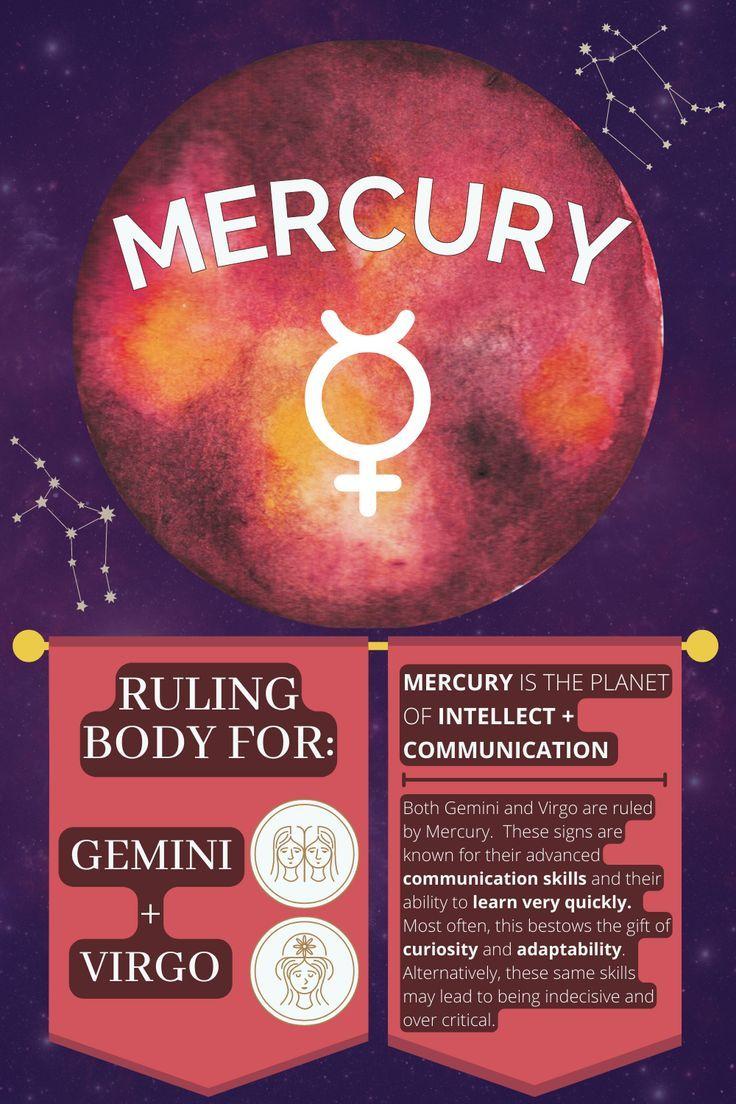
Mercury Hour in Astrology: Communication, Learning & Mental Clarity
Mercury Hour in Astrology: Communication, Learning & Mental Clarity
Mercury hour is the planetary hour ruled by Mercury — the swift messenger of the gods — and it is widely regarded as the single best window for communication, intellectual work, and commerce. During a Mercury hour, your mental faculties sharpen, your words carry greater precision, and negotiations tend to flow with unusual ease. Whether you need to draft an important email, sign a contract, sit for an exam, or pitch a business idea, aligning that activity with a Mercury hour can give you a meaningful edge.
In the traditional planetary hours system, each hour of the day and night is governed by one of the seven classical planets following the ancient Chaldean sequence. Mercury's hours recur several times within any 24-hour period, but their exact timing shifts daily based on your location's sunrise and sunset. By using a reliable Planetary Hours Calculator, you can pinpoint the Mercury hours for your city on any date and start weaving this ancient timing wisdom into your modern schedule.
Understanding Mercury's Astrological Significance
Mercury has occupied a central role in astrology for millennia. Named after the Roman messenger god — Hermes in the Greek tradition — Mercury embodies speed, wit, adaptability, and the ceaseless exchange of information. In a natal chart, Mercury governs how a person thinks, speaks, writes, and processes the world intellectually. When Mercury rules a planetary hour, those same qualities permeate the ambient energy of that time window.
Mercury's Core Attributes
Mercury is associated with a rich constellation of qualities that are directly relevant to everyday life:
- Communication — spoken, written, and digital. Mercury hours favor clarity, persuasion, and the articulate exchange of ideas.
- Intellect and learning — studying, absorbing new material, critical thinking, and problem-solving all fall under Mercury's domain.
- Commerce and trade — buying, selling, negotiating deals, and financial record-keeping are traditional Mercury activities stretching back to ancient marketplaces.
- Short-distance travel — commuting, local errands, and journeys that require logistical coordination resonate with Mercury's mobile energy.
- Technology and media — in the modern world, Mercury's influence extends naturally to emails, social media, coding, data analysis, and digital publishing.
- Adaptability — Mercury is mutable and quick. Its hours reward flexibility, multitasking, and the ability to pivot between tasks.
Understanding these attributes is the key to unlocking the full potential of Mercury hours. When you match the nature of your task to the qualities Mercury amplifies, you work with the current of cosmic timing rather than against it.
Best Activities During Mercury Hour
Mercury hour is remarkably versatile. Because Mercury governs such a broad spectrum of mental and communicative activities, the list of favorable tasks is one of the longest among all seven planetary hours. Below is a detailed breakdown organized by life domain.
Communication and Correspondence
Mercury hour is the premier time for any form of communication:
- Sending important emails or messages — when the wording of a message truly matters, compose and send it during a Mercury hour. You will find that your phrasing is sharper, your tone more calibrated, and your arguments more logical.
- Making phone calls — whether it is a call to a client, a difficult conversation with a colleague, or a catch-up with a friend where you need to convey something nuanced, Mercury hour supports productive dialogue.
- Public speaking and presentations — if you have any flexibility in scheduling a talk or webinar, placing it within a Mercury hour can improve both your delivery and the audience's receptiveness.
- Social media and content creation — crafting posts, filming short videos, writing captions, and engaging with your audience all benefit from Mercury's quick-witted, articulate energy.
Learning, Study, and Examinations
Students and lifelong learners will find Mercury hour especially rewarding:
- Studying new material — Mercury hours enhance retention and comprehension. Complex subjects feel more accessible when you tackle them during this window.
- Taking exams or tests — if your exam schedule allows any choice, favor a time that falls within a Mercury hour. Your recall and analytical speed tend to peak.
- Attending lectures or workshops — absorbing information from a teacher or mentor is more effective under Mercury's intellectual influence.
- Language learning — because Mercury rules language itself, practicing a foreign language during its hour accelerates progress.
Writing and Intellectual Work
Any task where the pen — or keyboard — is your primary tool thrives during Mercury hour:
- Writing reports, proposals, or articles — complex documents that require logical structure and persuasive argumentation benefit enormously from Mercury's clarity.
- Editing and proofreading — your eye for detail sharpens. Errors that might slip through at other times become easier to catch.
- Research — gathering, organizing, and synthesizing information from multiple sources is a quintessentially Mercurial activity.
- Coding and technical writing — programmers and technical writers often notice that debugging and documentation flow more smoothly during Mercury hours.
Business, Commerce, and Negotiations
Mercury has been the planet of merchants since antiquity:
- Signing contracts and agreements — one of the most traditional Mercury hour activities. The clarity of mind during this hour helps you spot unfavorable terms and negotiate better conditions.
- Business negotiations — whether you are haggling over price, structuring a partnership, or defining project scope, Mercury hour gives you the verbal dexterity to advocate effectively for your position.
- Sales and pitching — presenting your product or idea to potential buyers benefits from the persuasive, information-rich energy of Mercury.
- Financial record-keeping — bookkeeping, invoicing, and reviewing financial statements all fall under Mercury's meticulous domain.
Travel and Logistics
Mercury rules short journeys and the coordination of movement:
- Planning trips — researching routes, booking tickets, and organizing itineraries during Mercury hour leads to smoother logistics.
- Running errands — practical tasks like shopping, postal visits, and appointments flow more efficiently.
- Commuting — if you can time your departure to coincide with a Mercury hour, you may find the commute less stressful and more productive.
What to Avoid During Mercury Hour
While Mercury hour is ideal for mental and communicative tasks, it is less suited to certain activities:
- Deep emotional conversations — Mercury favors logic over feelings. If you need a heart-to-heart that requires vulnerability and emotional depth, a Moon hour is better suited to that kind of emotional connection.
- Physical labor and athletic competition — Mercury's energy is cerebral, not muscular. Heavy workouts or competitive sports are better aligned with a Mars hour.
- Decisions requiring slow deliberation — Mercury is fast. If a decision demands patient contemplation and long-term strategic thinking, consider a Saturn or Jupiter hour instead.
- Relaxation and rest — Mercury's buzzing mental energy can make it difficult to wind down. Avoid trying to meditate deeply or fall asleep during a strong Mercury hour.
- Overly rigid planning — Mercury is mutable. Trying to force a strict, inflexible plan during this hour can feel counterproductive. Embrace adaptability instead.
Awareness of these limitations is just as valuable as knowing what Mercury hour amplifies. Strategic timing means choosing the right planetary hour for the right activity — a core principle explored in our guide on how to use planetary hours.
Mercury on Wednesday: The Double Mercury Effect
In the planetary hours system, each day of the week is ruled by a specific planet. Wednesday — named after Woden, the Germanic equivalent of Mercury — is Mercury's own day. This means that the very first planetary hour after sunrise on Wednesday is always a Mercury hour. When a Mercury hour falls on a Wednesday, you experience what practitioners call the "double Mercury" effect: both the day ruler and the hour ruler are Mercury, creating an exceptionally concentrated field of Mercurial energy.
Why Double Mercury Matters
The double Mercury alignment on Wednesday morning is considered the most potent window of the entire week for:
- High-stakes communication — an important client call, a make-or-break negotiation, or a critical presentation.
- Launching intellectual projects — beginning a new course of study, starting to write a book, or kicking off a research initiative.
- Signing significant contracts — the clarity and mental sharpness are at their absolute peak.
- Sending messages that must land perfectly — cover letters, college applications, or business proposals.
Many practitioners who follow the planetary hours system treat the first Mercury hour on Wednesday as their "golden window" each week and schedule their most important intellectual or communicative task for that slot.
Beyond the First Hour
Wednesday also contains additional Mercury hours later in the day and at night, following the Chaldean rotation. While these subsequent Mercury hours on Wednesday are not double Mercury (the hour ruler is Mercury but you are still on Mercury's day, so the day energy persists as a supportive backdrop), they remain stronger than Mercury hours on other days of the week because of the ambient Wednesday-Mercury resonance.
How to Find Mercury Hour for Your Location
Mercury hours are not fixed — they shift every day based on your local sunrise and sunset times. Calculating them manually requires knowledge of the Chaldean order and some arithmetic, but the easiest and most accurate method is to use a dedicated tool.
Using the Planetary Hours Calculator
Our Planetary Hours Calculator makes finding Mercury hours effortless:
- Visit the calculator and allow it to detect your location, or enter your city manually.
- Select your date — today's date loads by default, but you can look ahead to plan future activities.
- Scan the timeline for hours marked with Mercury's symbol (☿). The calculator displays each planetary hour's start time and ruling planet clearly.
- Note the duration — remember that planetary hours are not fixed at 60 minutes. A Mercury hour might be shorter in winter and longer in summer, depending on daylight length.
Reading the Mercury Symbol
In traditional astrology, Mercury is represented by the caduceus-like glyph ☿. In many planetary hours calculators and tables, Mercury hours are also color-coded or labeled. Familiarizing yourself with this symbol allows you to quickly scan any planetary hours chart and identify your optimal windows.
Practical Tips for Making the Most of Mercury Hour
Knowing when Mercury hour falls is only half the equation. Here are actionable strategies for maximizing its benefits:
1. Prepare Before the Hour Begins
Mercury hours move quickly, and so does Mercury's energy. Gather your materials, open relevant documents, and outline your talking points before the hour starts. When Mercury hour arrives, you want to hit the ground running rather than spending precious minutes getting organized.
2. Prioritize Your Most Important Intellectual Task
If you have multiple Mercury hours in a day, use the strongest one — typically the first Mercury hour, especially on Wednesday — for your highest-priority task. Save secondary tasks for later Mercury hours or less demanding planetary windows.
3. Embrace Multitasking Strategically
Mercury is the planet of versatility. Unlike hours ruled by planets that favor deep single-focus work (such as Saturn), Mercury hours reward nimble switching between related tasks. You might draft a report, reply to a few emails, and then review a contract — all within a single Mercury hour — and find that each task benefits from the brisk mental pace.
4. Keep a Communication Log
Track which messages and conversations you initiate during Mercury hours and note the outcomes over a few weeks. Many practitioners discover a consistent pattern: communications sent during Mercury hours receive faster, more positive responses. This kind of personal evidence builds confidence in the system and helps you refine your approach.
5. Combine Mercury Hour with Mercury Retrograde Awareness
Astrology enthusiasts often track Mercury retrograde periods — times when Mercury appears to move backward in the sky. During retrograde, Mercury hours still occur, but their energy shifts toward review, revision, and re-examination rather than new launches. Use Mercury hours during retrograde for editing, revisiting old projects, re-reading contracts, and reconnecting with past contacts rather than initiating entirely new ventures.
6. Pair Mercury Hour with Complementary Practices
If you practice meditation, breathwork, or affirmations, consider a brief centering exercise before your Mercury hour work session. A clear, focused mind amplifies the mental clarity that Mercury provides. Even a two-minute breathing exercise can sharpen your concentration and set the stage for a highly productive hour.
7. Use Mercury Hour for Learning Acceleration
Students preparing for exams can create a study schedule that clusters their most challenging subjects into Mercury hours. Over the course of several days, this alignment can yield measurably better retention compared to random study timing.
Mercury Hour in Historical and Cultural Context
Mercury's association with communication and trade is one of the oldest and most consistent themes in Western astrology. In ancient Rome, merchants would time their most important transactions to coincide with Mercury's influence. Medieval scholars studied and wrote during Mercury hours. Islamic astronomers, who preserved and expanded the planetary hours tradition, similarly valued Mercury's hours for intellectual pursuits and record-keeping.
In Indian astrology (Jyotish), the concept of "hora" is closely parallel to Western planetary hours, and Budha (Mercury) hora is recommended for education, writing, and commerce — an almost identical set of associations developed independently across cultures. This cross-cultural consistency suggests that the qualities attributed to Mercury hour are not arbitrary but reflect a deeply observed pattern in how human mental energy ebbs and flows throughout the day.
Mercury Hour and the Modern Professional
In today's knowledge economy, Mercury's domains — communication, information processing, negotiation, and intellectual agility — are the very skills that define professional success. This makes Mercury hour arguably the most practically useful planetary hour for the modern worker.
Consider how many critical tasks in a typical workday fall under Mercury's rulership:
- Team meetings and stand-ups
- Email triage and response
- Report writing and documentation
- Client calls and vendor negotiations
- Code reviews and debugging sessions
- Social media management
- Proposal writing and pitch preparation
By mapping even a few of these tasks onto Mercury hours each week, you introduce a layer of strategic timing that can compound into significant gains over months and years. The effort required is minimal — just a glance at the Planetary Hours Calculator each morning — but the potential payoff in clarity, persuasion, and productivity is substantial.
Frequently Asked Questions
How long does a Mercury hour last?
Mercury hours, like all planetary hours, are not fixed at 60 minutes. Their length depends on the total duration of daylight (for daytime hours) or darkness (for nighttime hours), divided into 12 segments. In summer, a daytime Mercury hour might last 70 minutes or more; in winter, it could be as short as 45 minutes. Use the Planetary Hours Calculator for exact durations at your location.
How many Mercury hours are there in a day?
In a full 24-hour cycle (sunrise to next sunrise), there are typically three or four Mercury hours, distributed across both daytime and nighttime. The exact count and timing depend on where Mercury falls in the Chaldean rotation for that particular day of the week.
Can I use Mercury hour for creative writing?
Absolutely. While Venus hours are often associated with artistic creativity, Mercury hours excel for the structural and communicative aspects of writing — plotting, outlining, drafting, and especially editing. If your creative project requires clear prose, logical narrative flow, or persuasive copy, Mercury hour is an excellent choice.
What if Mercury is retrograde — should I still use Mercury hours?
Yes, Mercury hours remain active during retrograde periods. However, the energy shifts. Mercury retrograde hours favor revisiting, revising, and refining rather than launching entirely new projects. Use them for editing, reconnecting with old contacts, reviewing contracts, and completing unfinished work.
Explore All Planetary Hour Guides
Each planetary hour carries its own distinct energy. Explore our complete series to master every planetary hour:
- ☉ Sun Hour Guide: Leadership, Vitality & Success
- ☽ Moon Hour Guide: Intuition, Emotions & Lunar Timing
- ♀ Venus Hour Guide: Love, Beauty & Perfect Timing
- ♂ Mars Hour Guide: Energy, Courage & Action
- ♃ Jupiter Hour Guide: Growth, Abundance & Opportunity
- ♄ Saturn Hour Guide: Discipline, Structure & Strategic Timing
Ready to find your next planetary hour? Use our free Planetary Hours Calculator to see all 24 hours for your location today.
Start Timing Your Tasks with Mercury
Mercury hour offers a practical, accessible entry point into the world of planetary hours. Its domains — communication, learning, trade, and travel — are so central to daily life that almost everyone can find an immediate use for it. Begin by identifying tomorrow's Mercury hours with our Planetary Hours Calculator, then schedule one important task to coincide with that window. Pay attention to how the task flows, and over time, you will develop an intuitive sense for Mercury's distinctive mental clarity.
For a comprehensive introduction to the planetary hours system, read What Are Planetary Hours?. For strategies on integrating all seven planetary hours into your routine, explore our Practical Guide to Using Planetary Hours.
Frequently Asked Questions
What is Mercury hora good for?
Mercury hora is good for communication, learning, writing, studying, negotiations, signing contracts, sending important emails, making phone calls, short-distance travel planning, trade and commerce, and any activity requiring mental agility and clear thinking.
What is Mercury time in astrology?
Mercury time refers to the planetary hours governed by Mercury in the traditional Chaldean system. Mercury hours occur multiple times each day, with their exact timing depending on your location's sunrise and sunset times. Wednesday is Mercury's day, making Mercury hours on Wednesday especially powerful.
Related Articles
Planetary Hours and Their Meanings: Complete Reference Guide
A comprehensive guide to all seven planetary hours and their meanings. Learn what each planetary hour represents, its ruling planet's energy, and the best activities for every hour.
Read more →Planetary Hours for Love & Relationships: Complete Timing Guide
Discover the best planetary hours for love, romance, and relationships. Learn why Venus hour is ideal for dates, Moon hour for emotional bonds, and how to time your romantic activities.
Read more →Planetary Hours and Days for Magic: A Practitioner's Guide
Learn how to align your magical workings with planetary hours and days for enhanced efficacy. A comprehensive guide to planetary correspondences, spell timing, and ritual planning.
Read more →