Best Planetary Hour for Marriage & Wedding Timing
Best Planetary Hour for Marriage & Wedding Timing
Your wedding day is one of the most significant moments in your life — and choosing the right cosmic timing can set a powerful foundation for lasting love. For centuries, couples across cultures have looked to the stars when planning their nuptials, seeking auspicious windows that align with the energies of harmony, partnership, and devotion. The planetary hours system offers one of the most precise and actionable ways to incorporate this ancient wisdom into modern wedding planning. Whether you're deciding when to walk down the aisle, pop the question, or host your engagement party, understanding which planetary hour governs love and union can help you choose a moment that resonates with the deepest currents of cosmic support.
Why Cosmic Timing Matters for Marriage
Marriage is more than a legal contract — it's an energetic beginning. Many astrological traditions hold that the moment a marriage begins imprints itself on the relationship, influencing its tone, trajectory, and resilience for years to come. This concept, known as "electional astrology," has been practiced since antiquity. Rulers, nobles, and ordinary families alike sought favorable celestial conditions before exchanging vows.
The planetary hours system provides a practical, accessible layer of this tradition. Rather than requiring a full natal chart analysis, planetary hours let you choose a window during any day that aligns with the energy you want to invite into your marriage. Used alongside the Planetary Hours Calculator, you can find these windows for any date and location with precision.
The logic is straightforward: each planetary hour carries the signature of one of the seven classical planets. By starting your ceremony during an hour that governs love, abundance, or emotional depth, you set an energetic tone that supports the kind of marriage you envision.
Venus Hour: The Premier Choice for Wedding Ceremonies
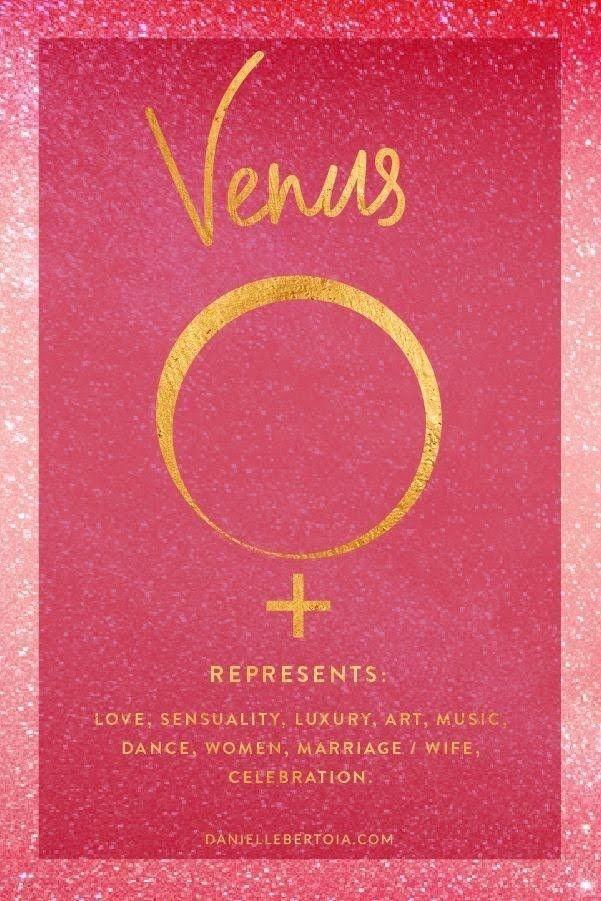
If you could choose only one planetary hour for your wedding, Venus hour is the clear frontrunner. Venus is the planet of love, beauty, harmony, and partnership — the very qualities that define a thriving marriage.
Why Venus Hour Works for Weddings
Venus governs the desire to connect, to find beauty in another person, and to build something graceful together. When your ceremony begins during a Venus hour, the prevailing cosmic energy supports:
- Deep romantic connection. Venus amplifies feelings of love and attraction between partners, helping the ceremony feel emotionally resonant rather than merely procedural.
- Aesthetic harmony. Everything from the venue décor to the music to the couple's appearance tends to feel more cohesive and beautiful under Venus influence.
- Graceful communication. Wedding vows spoken during Venus hour carry a natural warmth and eloquence. Even couples who are nervous about public speaking often find that Venus energy softens the edges.
- Social warmth among guests. Venus is the social planet. Guests tend to feel more relaxed, generous, and celebratory when Venus is ruling the hour.
For a complete exploration of Venus's influence and how to work with it, see our Venus Hour Guide.
The Double Venus Effect: Friday Weddings
Friday is ruled by Venus, which means the first planetary hour after sunrise on Friday belongs to Venus. When you schedule your wedding ceremony during a Venus hour on a Friday, you create what practitioners call the "double Venus effect" — the day ruler and the hour ruler are both Venus, producing the strongest possible Venusian energy. This is widely considered the single most auspicious window for a wedding in the entire planetary hours system.
Many cultures have independently arrived at the same conclusion. In Hindu tradition, Friday (Shukravar, named after Shukra/Venus) is considered highly auspicious for weddings. In Western folk tradition, "Friday for loving" has been a wedding-planning maxim for centuries.
Jupiter Hour: Blessings of Abundance and Growth
Jupiter hour is the second-best choice for a wedding ceremony, and many practitioners consider it the ideal hour for the reception and celebration that follows the vows. Jupiter is the planet of expansion, good fortune, generosity, and wisdom — all qualities that support a marriage built to last and flourish.
Why Jupiter Hour Enhances Weddings
- Abundance and prosperity. Jupiter's energy invites material and emotional abundance into the union. Couples who begin their celebration during Jupiter hour are symbolically opening the door to a life of shared prosperity.
- Joy and optimism. Jupiter is the "greater benefic" in astrology — the planet most associated with happiness, laughter, and positive outcomes. A reception that begins during Jupiter hour tends to feel expansive, generous, and genuinely joyful.
- Growth and learning. Jupiter governs higher learning and philosophical wisdom. Its influence supports a marriage in which both partners continue to grow, learn, and evolve together.
- Legal blessings. Jupiter rules law and contracts. For the legal dimension of marriage, Jupiter hour adds an extra layer of favorable energy to the signing of documents and official declarations.
For deeper insight into Jupiter's timing and influence, explore our Jupiter Hour Guide.
Strategic Combination: Venus Ceremony + Jupiter Reception
One of the most powerful approaches to wedding timing is to schedule the ceremony itself during a Venus hour and the reception or celebration during a Jupiter hour. This layered approach captures the romantic intimacy of Venus for the vows and the expansive joy of Jupiter for the party. Check the Planetary Hours Calculator for your wedding date to see if this combination is available.
Moon Hour: Emotional Depth for Vows and Intimate Ceremonies
While Venus and Jupiter are the top choices, Moon hour deserves special consideration for couples who prioritize emotional depth and intimate connection in their ceremony.
When Moon Hour Shines
The Moon governs emotions, intuition, nurturing, and the subconscious bond between people. A ceremony held during Moon hour tends to feel deeply moving, with heightened emotional sensitivity and a powerful sense of soul connection. This makes Moon hour particularly well-suited for:
- Small, intimate ceremonies where the emotional bond between partners is the central focus rather than the social spectacle.
- Vow exchanges and ring ceremonies that emphasize personal, heartfelt words over formal liturgy.
- Second marriages or vow renewals where the couple has already built a deep emotional history and wants the ceremony to honor that depth.
- Ceremonies involving family traditions that connect the couple to ancestral bonds, home, and heritage.
Moon hour pairs beautifully with Monday (the Moon's own day) for maximum emotional resonance. For more on lunar timing, see our Moon Hour Guide.
Optimal Day and Hour Combinations for Weddings
The most auspicious wedding timing combines the right planetary day with the right planetary hour. Here are the strongest combinations:
| Day + Hour | Energy Profile | Best For | |------------|---------------|----------| | Friday + Venus Hour | Double Venus — peak love energy | Romantic ceremonies, first marriages, aesthetically focused weddings | | Thursday + Jupiter Hour | Double Jupiter — peak abundance | Grand celebrations, destination weddings, multicultural ceremonies | | Friday + Jupiter Hour | Venus day + Jupiter blessing | Ceremonies emphasizing both love and long-term prosperity | | Thursday + Venus Hour | Jupiter day + Venus romance | Weddings that balance celebration with deep romantic connection | | Monday + Moon Hour | Double Moon — peak emotion | Intimate ceremonies, vow renewals, family-centered weddings | | Sunday + Venus Hour | Sun day + Venus love | Weddings where the couple wants visibility, confidence, and romance |
Avoid scheduling the ceremony's start during Saturn hour (heaviness, restriction) or Mars hour (conflict, aggression) unless your tradition specifically values those energies for commitment and endurance.
Best Planetary Hour for Proposals
The moment you propose marriage sets the energetic tone for the entire engagement period. Choosing the right planetary hour can add cosmic support to this life-changing question.
Venus Hour for Proposals
Venus hour is the strongest choice for a marriage proposal. The energy of love, attraction, and partnership naturally inclines the moment toward a "yes." Venus hour also enhances the aesthetic and emotional quality of the proposal — the setting feels more romantic, the words come more easily, and the emotional connection between partners deepens.
Sun Hour for Confident Proposals
If you want to feel bold, confident, and radiant when you propose, Sun hour can provide that extra boost of courage and personal magnetism. Sun hour is particularly effective for public proposals or proposals that involve a grand gesture.
Jupiter Hour for Optimistic Proposals
Jupiter hour wraps the proposal in an atmosphere of joy, optimism, and good fortune. If you're proposing during a trip, a celebration, or any expansive setting, Jupiter hour amplifies the sense that this is a moment of great positive change.
Proposal Timing Tips
- Plan the setting during Mercury hour. If you need to coordinate logistics — booking a restaurant, arranging flowers, briefing friends who are helping — Mercury hour sharpens your communication and organizational skills.
- Propose during Venus or Jupiter hour. Time the actual question for one of these windows.
- Avoid Saturn hour for proposals. Saturn's restrictive energy can make the moment feel heavy, overly serious, or constrained — the opposite of the expansive joy most people want.
Engagement Party Timing
The engagement party celebrates the commitment and introduces the couple to their combined social worlds. The ideal planetary hour depends on the kind of party you're planning:
- Venus hour for elegant, intimate gatherings focused on the couple's love story.
- Jupiter hour for large, exuberant celebrations with extended family and friends.
- Sun hour for parties where the couple wants to be the center of attention and radiate confidence.
- Moon hour for emotionally meaningful gatherings that honor family bonds and shared history.
Cultural Traditions of Auspicious Wedding Timing
The practice of choosing favorable cosmic timing for weddings is not limited to Western astrology. Cultures worldwide have developed sophisticated systems for identifying auspicious wedding moments.
Vedic Muhurta
In Hindu tradition, the selection of an auspicious wedding time (muhurta) is considered essential. Vedic astrologers examine the positions of the Moon, the nakshatras (lunar mansions), and the planetary hours to identify windows that maximize harmony, fertility, and prosperity. Venus (Shukra) and Jupiter (Guru) are the two most favored planetary influences for Vedic wedding muhurtas — closely paralleling the Western planetary hours recommendations.
Chinese Wedding Date Selection
Chinese tradition uses the Tong Shu (Chinese almanac) to identify auspicious wedding dates based on the interaction between the couple's birth charts and the cosmic energies of the proposed date. While the system differs from planetary hours, the underlying principle is identical: the moment of beginning influences the trajectory of the relationship.
Jewish Wedding Timing
Jewish tradition avoids weddings during certain periods (such as the Omer and the Three Weeks) and favors others. Tuesday is traditionally considered a lucky day for weddings, based on the Torah's account of the third day of creation, which received a double blessing ("it was good" appears twice). This sensitivity to the energetic quality of time resonates with the planetary hours philosophy.
Universal Principle
Across all these traditions, the common thread is the belief that marriage is not just a social event but a cosmic one — and that choosing the right moment matters. Planetary hours offer a practical, cross-cultural tool for applying this universal wisdom.
Practical Wedding Planning Tips with Planetary Hours
1. Start with the Date, Then Optimize the Hour
Most couples choose their wedding date based on venue availability, guest schedules, and personal preferences. Once the date is set, use the Planetary Hours Calculator to find the best available Venus or Jupiter hour within your ceremony window. Even shifting the ceremony start time by 30 minutes can move you into a more favorable planetary hour.
2. Brief Your Officiant
If your ceremony timing is tight, let your officiant know the exact window you're targeting. A ceremony that begins five minutes late could start in a different planetary hour. Communicate clearly so the officiant can begin on schedule.
3. Account for Seasonal Variations
Planetary hours are based on the division of daylight and nighttime into 12 segments each. In summer, daytime planetary hours are longer; in winter, they're shorter. A Venus hour in June might last 70 minutes, giving you plenty of room for a full ceremony. A Venus hour in December might be only 45 minutes. Plan your ceremony length accordingly.
4. Don't Let Perfect Timing Override Joy
While auspicious timing can enhance your wedding, no planetary hour can substitute for genuine love, thoughtful preparation, and the support of your community. If the ideal Venus hour falls at an inconvenient time, choose the next-best option with confidence. The intention and love you bring to the moment matter most.
5. Use Planetary Hours for the Entire Wedding Week
Your wedding isn't just the ceremony — it's a series of events. Consider planetary hour timing for:
- Rehearsal dinner: Venus or Moon hour for warmth and connection.
- Morning-of preparations: Venus hour for beauty rituals and getting dressed.
- First look or photo session: Sun hour for radiance and confidence.
- Toasts and speeches: Mercury hour for eloquence and wit.
Hours to Approach with Caution
While no planetary hour is inherently "bad," some energies are less aligned with the joyful, harmonious tone most couples want for their wedding:
- Saturn hour: Associated with restriction, heaviness, and stern discipline. Can make the ceremony feel somber or overly formal. However, some traditions value Saturn for its association with enduring commitment and unbreakable bonds — if longevity is your priority above all else, Saturn has its defenders.
- Mars hour: Associated with conflict, aggression, and sharp energy. Most wedding planners recommend avoiding Mars hour for the ceremony start, as it can introduce tension or rushed energy into the proceedings.
Combining Planetary Hours with Other Astrological Considerations
Planetary hours are one layer of a rich astrological tradition. For couples who want to go deeper, consider combining planetary hour selection with:
- Moon phase: A waxing Moon (growing toward full) is traditionally favored for weddings, symbolizing growth, increasing abundance, and building toward fullness.
- Venus retrograde awareness: Many astrologers recommend avoiding weddings during Venus retrograde periods, when the planet of love appears to move backward and relationship energies can feel disrupted.
- Favorable Moon signs: The Moon in Taurus, Cancer, Libra, or Pisces is generally considered supportive for weddings.
These additional factors can refine your timing further, but planetary hours remain the most practical and accessible starting point for most couples.
Explore More Planetary Hour Guides
Ready to dive deeper into the energies that can shape your wedding day? Explore our complete planetary hour series:
- ♀ Venus Hour Guide: Love, Beauty & Partnership
- ♃ Jupiter Hour Guide: Growth, Abundance & Opportunity
- ☽ Moon Hour Guide: Intuition, Emotions & Lunar Timing
- ☉ Sun Hour Guide: Leadership, Vitality & Success
- ☿ Mercury Hour Guide: Communication, Learning & Mental Clarity
- Planetary Hours for Love & Relationships
Conclusion
Choosing the best planetary hour for your marriage ceremony is one of the simplest and most meaningful ways to align your wedding with cosmic support. Venus hour stands as the premier choice for its direct resonance with love, beauty, and partnership. Jupiter hour adds blessings of abundance and joyful celebration. Moon hour deepens the emotional and intuitive bond between partners.
The most powerful approach is to use the Planetary Hours Calculator for your specific wedding date and location, identify the Venus and Jupiter windows available during your ceremony and reception timeframes, and plan accordingly. Even small adjustments to your timeline can shift the cosmic atmosphere in your favor.
Your marriage deserves every advantage — including the ancient wisdom of planetary timing. Find your next Venus hour on the Planetary Hours Calculator and begin planning a wedding that resonates with the very best the cosmos has to offer.
Frequently Asked Questions
What is the best planetary hour for a wedding?
Venus hour is the most auspicious planetary hour for weddings and marriage ceremonies. Venus governs love, harmony, beauty, and partnership — all essential qualities for a lasting marriage. For the strongest effect, schedule the ceremony to begin during Venus hour on a Friday (Venus's day). Jupiter hour is the second-best choice, adding blessings of abundance and growth to the union.
What planetary hour should I avoid for a wedding?
Saturn hour is generally avoided for weddings because Saturn's energy of restriction, limitation, and heaviness can symbolically weigh down the joyous occasion. Mars hour is also typically avoided due to its association with conflict and aggression. However, some traditions value Saturn's energy for long-term commitment and endurance.
Related Articles
Planetary Hours and Their Meanings: Complete Reference Guide
A comprehensive guide to all seven planetary hours and their meanings. Learn what each planetary hour represents, its ruling planet's energy, and the best activities for every hour.
Read more →Planetary Hours for Love & Relationships: Complete Timing Guide
Discover the best planetary hours for love, romance, and relationships. Learn why Venus hour is ideal for dates, Moon hour for emotional bonds, and how to time your romantic activities.
Read more →Planetary Hours and Days for Magic: A Practitioner's Guide
Learn how to align your magical workings with planetary hours and days for enhanced efficacy. A comprehensive guide to planetary correspondences, spell timing, and ritual planning.
Read more →